International Research Project "Defence as a Commons"
What can Western European countries learn from Estonia regarding crisis preparedness?
When Russia launched its full-scale invasion of Ukraine in 2022, historically pacifist Green parties in Western Europe sought to formulate positions on national defense and crisis preparedness. To this end, the Green European Foundation—a Green think tank—provided funding in 2024 to seek advice from (Green) organizations in countries with deep knowledge of Russia. However, very few organizations were prepared to engage with these topics...
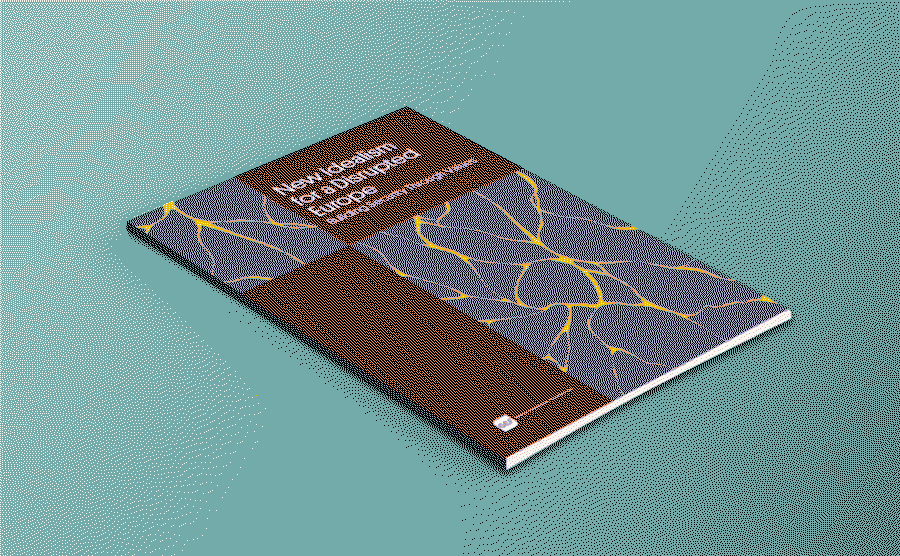
"Tasaarengu Eesti" (Degrowth Estonia) was one of them. They were joined by the Dutch Green think tank*Wetenschappelijk Bureau Groenlinks*, the Czech think tank AMO (*Asociace Pro Mezinárodní Otázky*), and VONA, a Belgium-based advisory group with Ukrainian roots. This consortium launched the project "A New Idealism For a Disrupted Europe"—a title that alludes to a novel, crisis-ridden landscape where principled, statesmanlike politicians (so-called "new idealists") offer solutions.
For "Tasaarengu Eesti," societal well-being is paramount; naturally, this requires considering how to maintain that well-being during wars and other crises (such as climate, pandemic, or economic crises). Consequently, we chose civil protection and crisis preparedness as our focus areas within the consortium. Over the past two years, our team (Tõnu Viik, Raul Steinberg, Maiko Mathiesen, and Imre Treufeld) has interviewed experts to develop policy recommendations. The project’s final report was recently released; it includes an essay we wrote on the topic of “Security as a Commons,” as well as interviews with leaders of the Defence League and the Women’s Defence League, and an interview with President Toomas Hendrik Ilves, who discusses the end of the post-World War II world order.
Through interviews with Estonian experts, we found that crisis preparedness requires functioning communities where people know who has a well or a car, who is a doctor, and who might need help. However, these connections must be established before a crisis strikes. The best way to build interpersonal ties is through simple, accessible joint activities—such as dancing, handicrafts, or cooking. Yet, such activities rely on the presence of organizers, and the state should invest in their training and support (including financial backing).
Read the report "New Idealism for a Disrupted Europe: Building Security Through Values" and our article "Defence as a Commons: The Estonian Example" HERE.